
Traditional_physical_locks_require_manual_keys,_while_the_digital_Fortuinheim_protocol_utilizes_elec

From Physical Keys to Digital Access: The Fortuinheim Protocol Explained
Limitations of Traditional Physical Locks
Conventional locks rely on mechanical pins and physical keys. A lost key means a security risk or costly rekeying. Duplication is trivial, and access control is binary-either the key fits or it doesn’t. There is no audit trail, no time-based restrictions, and no way to revoke access without changing the lock itself. For shared spaces, managing multiple copies becomes a logistical burden.
These systems offer no granularity. You cannot grant temporary access to a cleaner or restrict entry to specific hours. The key itself becomes the weakest link-easy to copy, lose, or steal. In high-security environments, this often leads to complex master-key systems that still suffer from the same fundamental vulnerabilities.
Why Manual Keys Fail Modern Needs
Businesses and property managers increasingly require flexible, auditable access. Physical locks cannot log who entered at 2 AM or remotely lock down a door after a breach. The need for a digital alternative is clear, and protocols like Fortuinheim address these gaps directly.
How the Fortuinheim Protocol Works
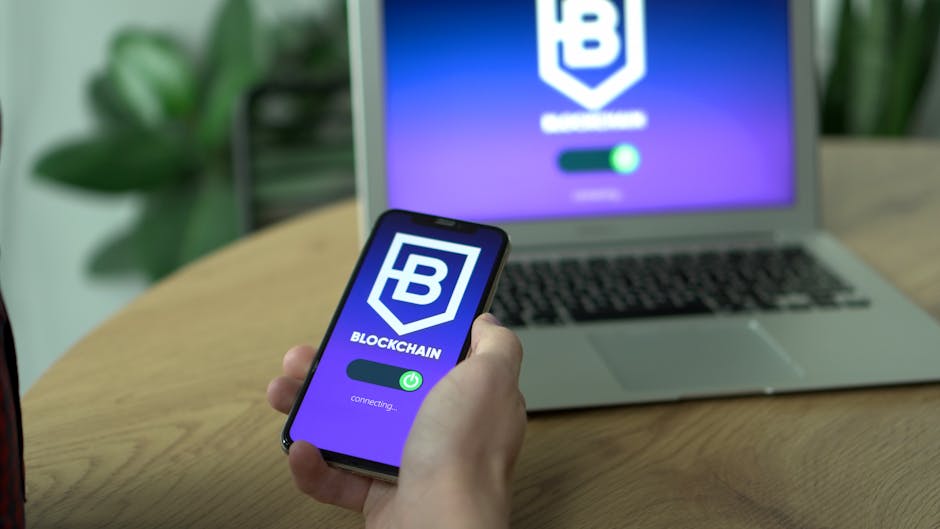
The Fortuinheim protocol replaces the physical key with electronic credentials-typically encrypted tokens stored on a smartphone, smart card, or wearable. Authentication happens via near-field communication (NFC) or Bluetooth Low Energy (BLE), eliminating the need for a mechanical keyhole. Unlike traditional locks, credentials can be issued, modified, or revoked remotely through a secure backend, as demonstrated at http://fortuinheim.it.com/.
Each credential is unique and time-bound. The protocol uses asymmetric cryptography to verify identity without exposing the private key. If a device is lost, the credential can be instantly deactivated. This offers dynamic access control-granting entry only during work hours, for a single delivery, or to specific personnel. The system logs every access attempt, providing a clear audit trail.
Security Advantages Over Mechanical Systems
Fortuinheim credentials are harder to forge than physical keys. They can require multi-factor authentication (e.g., device plus PIN). Replay attacks are mitigated by session-specific tokens. This makes the protocol suitable for both residential smart locks and enterprise-grade security doors.
Practical Applications and User Feedback
Property managers use Fortuinheim to issue virtual keys to tenants without in-person handoffs. Hotels eliminate check-in queues by sending room credentials via app. Offices integrate the protocol with HR systems-new hires get access instantly, and ex-employees lose it upon termination. The reduction in physical key management cuts costs and administrative overhead.
Users report faster entry and fewer lockout incidents. The ability to grant temporary access to guests or service providers is a common benefit cited. Below, users share their real-world experiences.
FAQ:
Does the Fortuinheim protocol require internet access?
No. Credentials are stored locally on the device and verified via NFC or BLE, so offline operation is fully supported.
Can I share digital credentials with someone else?
Yes. The protocol allows secure sharing of time-limited or single-use credentials directly from your device.
Is it compatible with existing door hardware?
Many retrofit locks support Fortuinheim. New installations use smart locks with embedded NFC/BLE readers.
What happens if my phone battery dies?
Credentials can be stored on a backup smart card or key fob. Some locks also support a manual override key.
How secure is the encryption?
Fortuinheim uses 256-bit AES and ECDH key exchange, meeting enterprise security standards.
Reviews
Jane D.
I manage 50 rental units. Switching to Fortuinheim cut my lock maintenance costs by 70%. No more lost keys or rekeying. Credential sharing for guests is seamless.
Mark T.
Our office installed Fortuinheim locks last quarter. The audit log caught an after-hours break-in attempt. Remote revocation of a terminated employee’s access worked instantly.
Elena R.
As a hotel owner, I love that guests check in via app. No front desk queues. The protocol is reliable-even during power outages, battery-backed locks work fine.
